I Just Realized My Credit Card Extends Warranties For Free
- Quick Tags: Credit Card Extended Warranty, Purchase Protection, Consumer Savings, Smart Spending
- Editor: Editorial Team
- Updated: Aug,07,2026
- Views: 282.6k


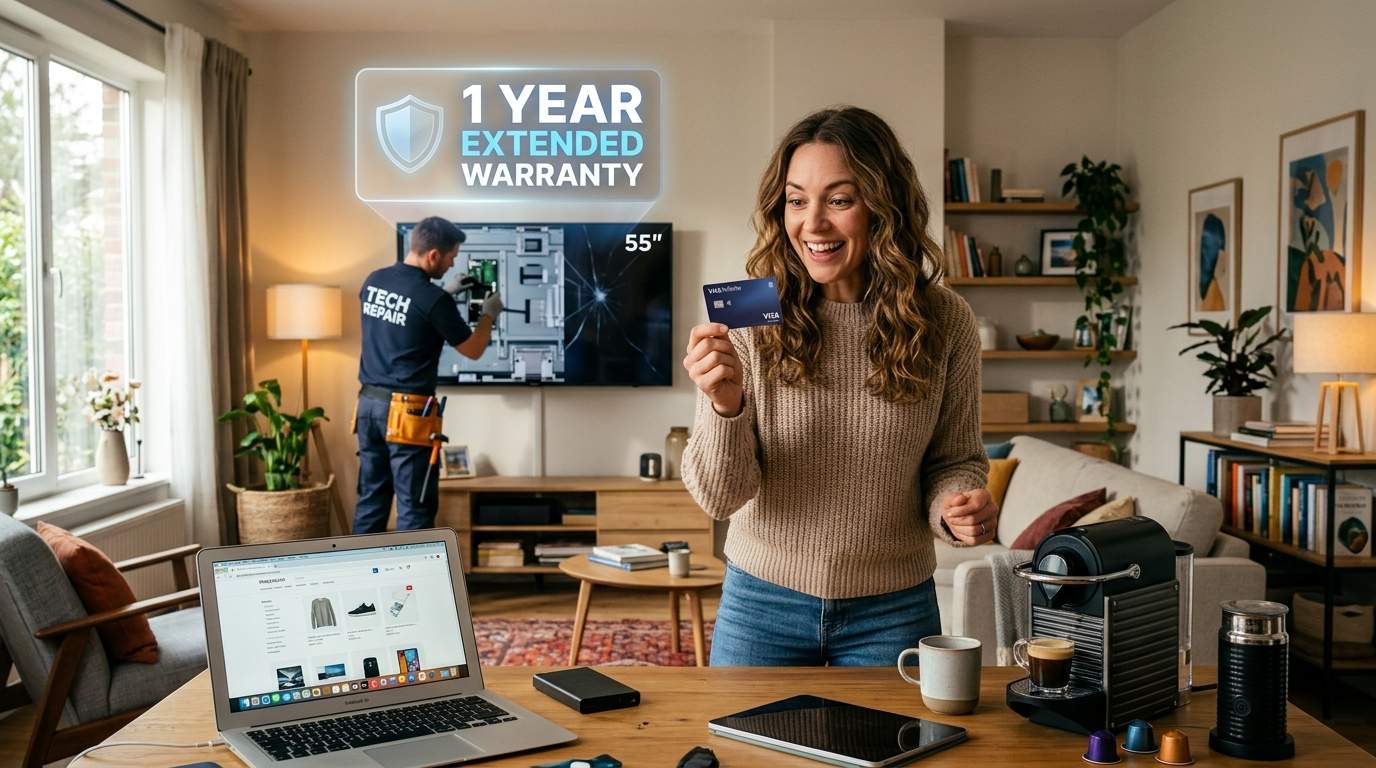

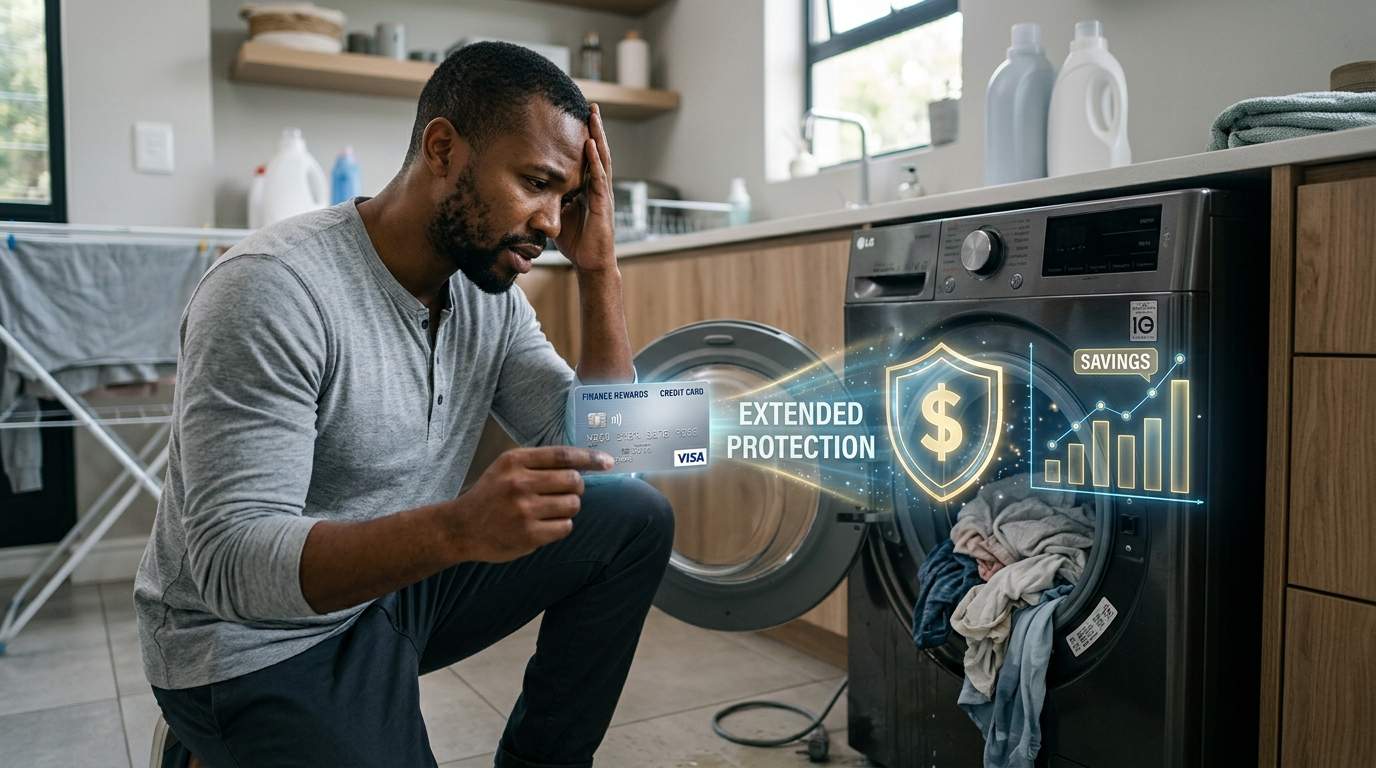




Ever bought an expensive electronic gadget, only for it to break down right after the manufacturer's warranty expired? That sinking feeling of having to pay for repairs or a replacement is all too common. We've all been there, wondering if we should have sprung for that costly extended warranty from the store. But what if I told you many of us already have a powerful, often overlooked, layer of protection built right into one of our most common financial tools?
E.g. :Cash Back Credit Cards Made My Grocery Budget Feel Surprisingly Different
This isn't some secret club or a limited-time offer. Many credit cards, especially premium ones, come with an "extended warranty" benefit that can save you real money. It’s a quiet guardian for your big-ticket purchases, designed to kick in when the original manufacturer’s warranty gives out. Think of it as a bonus safety net for your new laptop, refrigerator, or washing machine. Most consumers simply aren't aware of it, or if they are, they don't fully understand how it works or how valuable it can be.
This benefit is particularly useful in today's world, where products can have shorter lifespans than we expect. Instead of shelling out extra cash at checkout for an additional protection plan, you could be doubling your manufacturer's warranty simply by choosing the right credit card for your purchase. It's about smart consumption and maximizing the value you already have.
At its core, a credit card extended warranty generally doubles the original manufacturer’s warranty, often up to an additional year. For instance, if your new television comes with a one-year warranty, your eligible credit card might extend that coverage for another year, giving you two full years of protection. This mechanism is not about replacing a faulty product instantly but rather covering repair or replacement costs if the item fails due to a covered reason after the initial manufacturer's warranty has expired.

This benefit is typically offered by major payment networks like Visa, Mastercard, and American Express on many of their qualifying cards. To activate this protection, you usually need to have purchased the item entirely with that specific credit card. While the exact terms can vary from card to card, the general principles remain consistent: you need to keep your receipt, the original warranty, and often a copy of your credit card statement showing the purchase. When something goes wrong within the extended period, you file a claim directly with your credit card provider's benefits administrator. They will then review your documentation and determine if the issue is covered under the policy.
This benefit shines brightest for individuals who frequently purchase electronics, home appliances, and other goods with a standard manufacturer's warranty. Are you planning to buy a new smartphone, a high-end camera, or even a dishwasher? Using a card with extended warranty protection means you can skip the often-expensive third-party protection plans offered by retailers. Those plans can add a significant percentage to your purchase price, and for many products, your credit card might offer comparable or even superior coverage for free.
Consider a real-world scenario: you buy a new laptop for work, costing $1,500, with a one-year manufacturer's warranty. Six months after that warranty expires, the laptop's hard drive fails. Without extended warranty, you're looking at hundreds of dollars in repair costs or buying a new machine. With an eligible credit card's extended warranty, that repair or replacement cost could be fully covered, saving you a substantial sum. This is especially impactful for items that see daily use and are more prone to wear and tear over time.
While the extended warranty is a fantastic perk, it's crucial to understand its limitations. First and foremost, not all credit cards offer this benefit. You must check your specific card's Guide to Benefits, which is usually available on your card issuer's website. Don't assume your card has it; verify it. Secondly, there are typically exclusions. Common excluded items include automobiles, real estate, software, perishable items, and items without a manufacturer's warranty. The coverage also doesn't apply to accidental damage, loss, or theft, which falls under different types of purchase protection.
Another common pitfall is failing to keep proper documentation. You'll almost certainly need the original sales receipt, a copy of the manufacturer's warranty, and often your credit card statement. Without these, your claim will likely be denied. There are also usually limits on the maximum claim amount per item and per year, as well as specific claim filing deadlines after an item fails. Getting familiar with these small print details before you need to make a claim can make all the difference.
To truly harness the power of your credit card's extended warranty, make it a habit to check your card's benefits guide whenever you're making a significant purchase. For high-value items, consciously choose to use the card that offers the best extended warranty terms. After your purchase, file away your receipts and warranty information in an easily accessible digital or physical folder. Some people even take photos of these documents and store them in a cloud service.
This simple habit can transform your post-purchase experience from one of anxiety over potential breakdowns to one of confidence, knowing you have an extra layer of protection. It’s not just about avoiding future costs; it’s about making smarter decisions at the point of purchase, ensuring you get maximum value and peace of mind from your hard-earned money.
Is your credit card quietly holding the key to smarter, more secure purchases? It's time to find out.