My Credit Card Saved My Laptop: Hidden Extended Warranty Power
- Quick Tags: Extended Warranty, Credit Card Benefits, Purchase Protection, Financial Savings
- Editor: Editorial Team
- Updated: Sep,09,2026
- Views: 237k




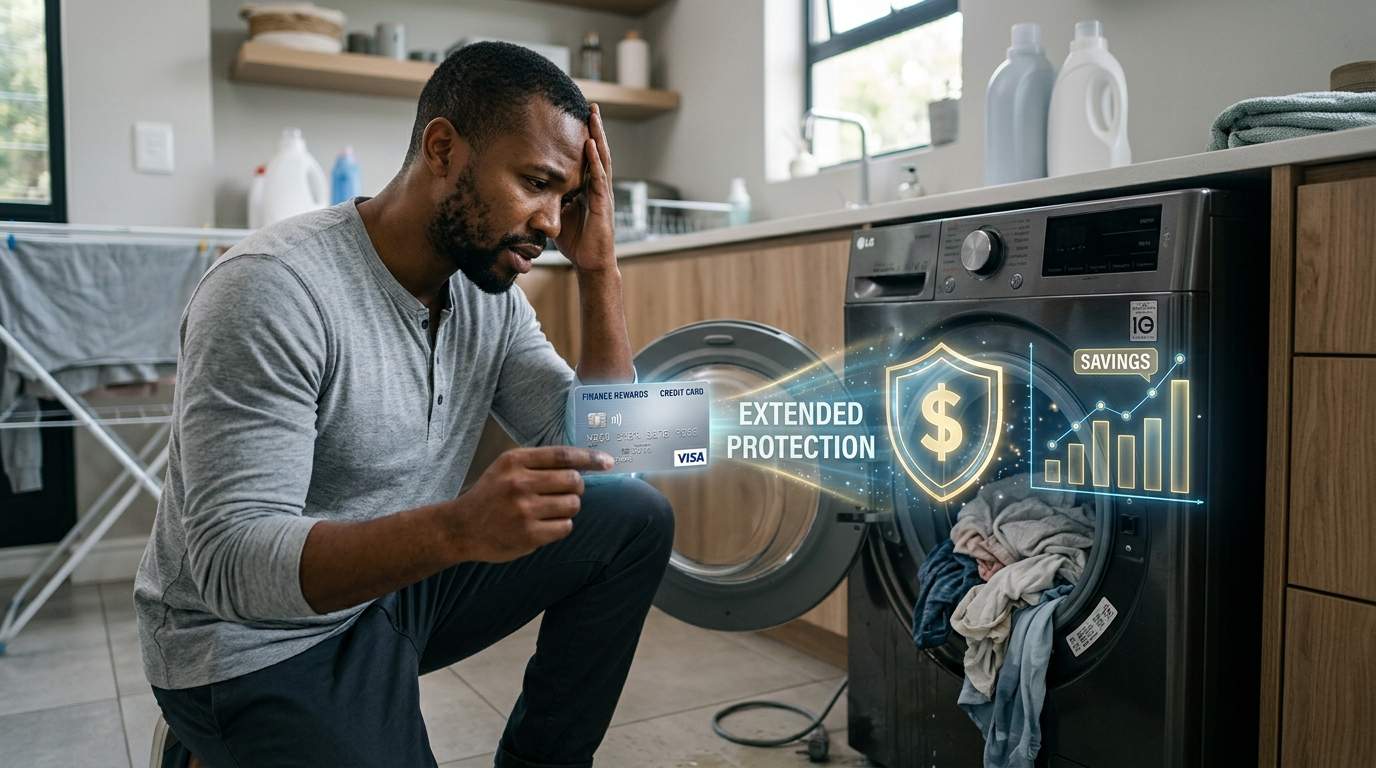




Have you ever had a new gadget kick the bucket just weeks or months after its manufacturer warranty expired? That stomach-sinking feeling, the quick mental math of repair costs versus replacement, and the inevitable regret of not buying that extra extended warranty. What if I told you many of us are already paying for an extended warranty and don't even realize it? It’s true. Many of the credit cards sitting in your wallet come with built-in protections that could save you hundreds, even thousands, of dollars. Let's unwrap one of the most underrated perks: the credit card extended warranty.
This isn't some obscure, limited-time promotion; it's a long-standing, often standard benefit on many premium credit cards, especially those from major networks like Visa Signature, Mastercard World Elite, and certain American Express cards. Think of it as a quiet guardian for your purchases. When you buy an eligible item with one of these cards, the credit card company often tacks an extra year onto the manufacturer's original warranty, typically for warranties of three years or less.
Imagine buying a brand new laptop with a standard one-year warranty. If it suddenly stops charging on day 370, past its original warranty period, you'd normally be out of luck. But with your credit card's extended warranty benefit, you could be covered for that repair or even a replacement. This is a game-changer for big-ticket items, offering peace of mind without shelling out extra cash for third-party plans that often come with their own fine print and exclusions.
Understanding the mechanics of your credit card's extended warranty is crucial to actually using it. The main condition is simple: you must have purchased the item entirely with the eligible credit card. This isn't a benefit that applies if you use a different payment method. Once purchased, the credit card benefit typically extends the original manufacturer's warranty by an additional period, usually one year.

For example, if your new washing machine has a two-year manufacturer warranty, your credit card might extend that coverage to three years total. The maximum coverage amount per item and per claim can vary by card, often ranging from $1,000 to $10,000, and there's usually an annual cap on total claims. Keep your original purchase receipt, the manufacturer's warranty information, and your credit card statement showing the purchase. These documents are vital when it comes time to file a claim. If your item fails within the extended warranty period, you'll contact your credit card’s benefits administrator, not the store or the manufacturer. They’ll guide you through the process, which usually involves submitting documentation and potentially getting an estimate for repair.
The most obvious benefit of credit card extended warranty is the direct financial savings. Consumers spend billions annually on third-party extended warranties, many of which are overpriced and redundant if you're already holding the right credit card. This hidden perk means you can skip those high-pressure sales pitches at the electronics store or appliance showroom.
Think about common scenarios: A new smartphone developing a hardware issue after 13 months. A kitchen appliance, like a dishwasher, malfunctioning in its second year. Even power tools or expensive headphones can fall under this umbrella. By consistently using a card with extended warranty protection for these types of purchases, you're building a layer of financial security without any additional cost. It’s about leveraging the benefits you already have access to, transforming your credit card from just a payment tool into a smart financial protector. This also encourages more thoughtful spending, knowing your purchases are backed for longer.
While incredibly valuable, credit card extended warranties aren't a blanket solution for everything. There are always limitations. Most policies will exclude certain types of items, such as vehicles, real estate, software, perishables, and items purchased for commercial use. There are also usually limits on the purchase price and the total amount of claims you can make annually. It’s also important to note that the extended warranty typically only covers failures that would have been covered by the original manufacturer’s warranty, not accidental damage, wear and tear, or misuse.
To maximize this benefit, it’s worth reviewing the benefits guide for your specific credit card. If you have multiple cards, identify which one offers the best extended warranty terms for different types of purchases. For instance, one card might have a higher per-item limit, making it ideal for electronics, while another might offer longer extension periods. Make it a habit to use that "go-to" card for all significant purchases. Moreover, store digital copies of your receipts and warranty cards. Many credit card benefit administrators now have online portals, making claim submission easier than ever, but having your paperwork organized from the start will save you significant hassle.
Consider this another arrow in your smart money quiver. Are you truly getting all the value from the credit cards in your wallet, or are some of their most powerful perks hiding in plain sight?