Cash Back Credit Cards Made My Grocery Budget Feel Surprisingly Different
- Quick Tags: Cash Back Credit Cards, Grocery Rewards, Credit Card Benefits, Everyday Spending
- Editor: Editorial Team
- Updated: Aug,08,2026
- Views: 341.2k








Have you ever noticed that people spend hours comparing travel credit cards but barely think about the card they use at the grocery store?
E.g. :Your Credit Card Might Be Secretly Protecting Your Smartphone
That surprised me too. For most households, groceries are one of the most consistent monthly expenses. Yet many people continue paying with whichever card happens to be in their wallet, even when another card could reward the same purchase more effectively.
The interesting part isn't finding the highest rewards rate. It's realizing that choosing the right everyday card can quietly return value month after month without changing your shopping habits.
Big welcome bonuses often get the attention. Everyday spending is where many people actually earn the majority of their rewards.
Several well-known issuers, including American Express, Capital One, Chase, Citi, and Discover, offer credit cards that include grocery purchases among eligible bonus categories on certain products. The exact earning rates, merchant definitions, annual caps, and eligibility vary by card, so checking the official terms always matters.
The important takeaway is that grocery rewards are designed for spending many households already do.
Instead of chasing temporary promotions, some consumers simply earn rewards by buying milk, vegetables, coffee, and household essentials.
That feels much more sustainable than constantly opening new accounts just to earn a one-time bonus.
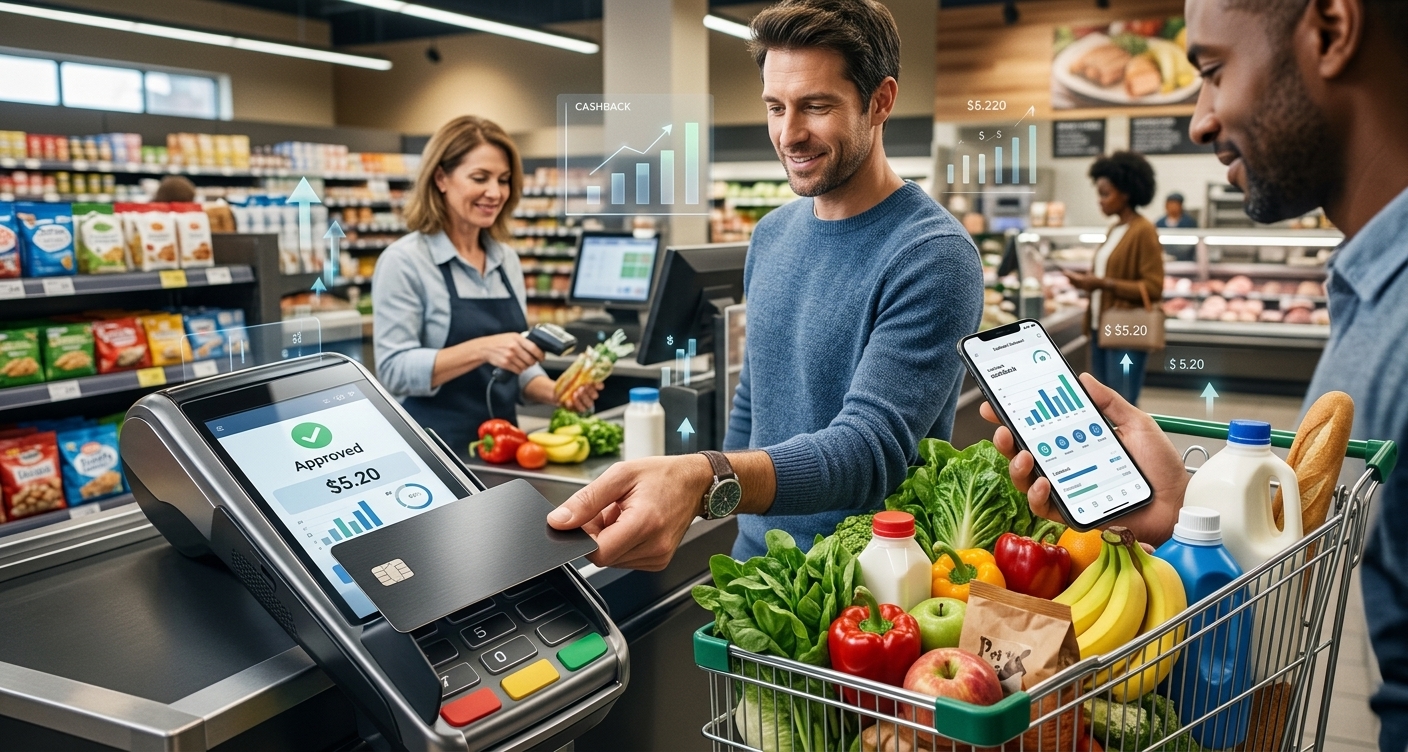
One mistake many beginners make is spending more simply because a purchase earns rewards.
That completely defeats the purpose.
Cash back should be treated as a bonus, not a reason to buy extra things.
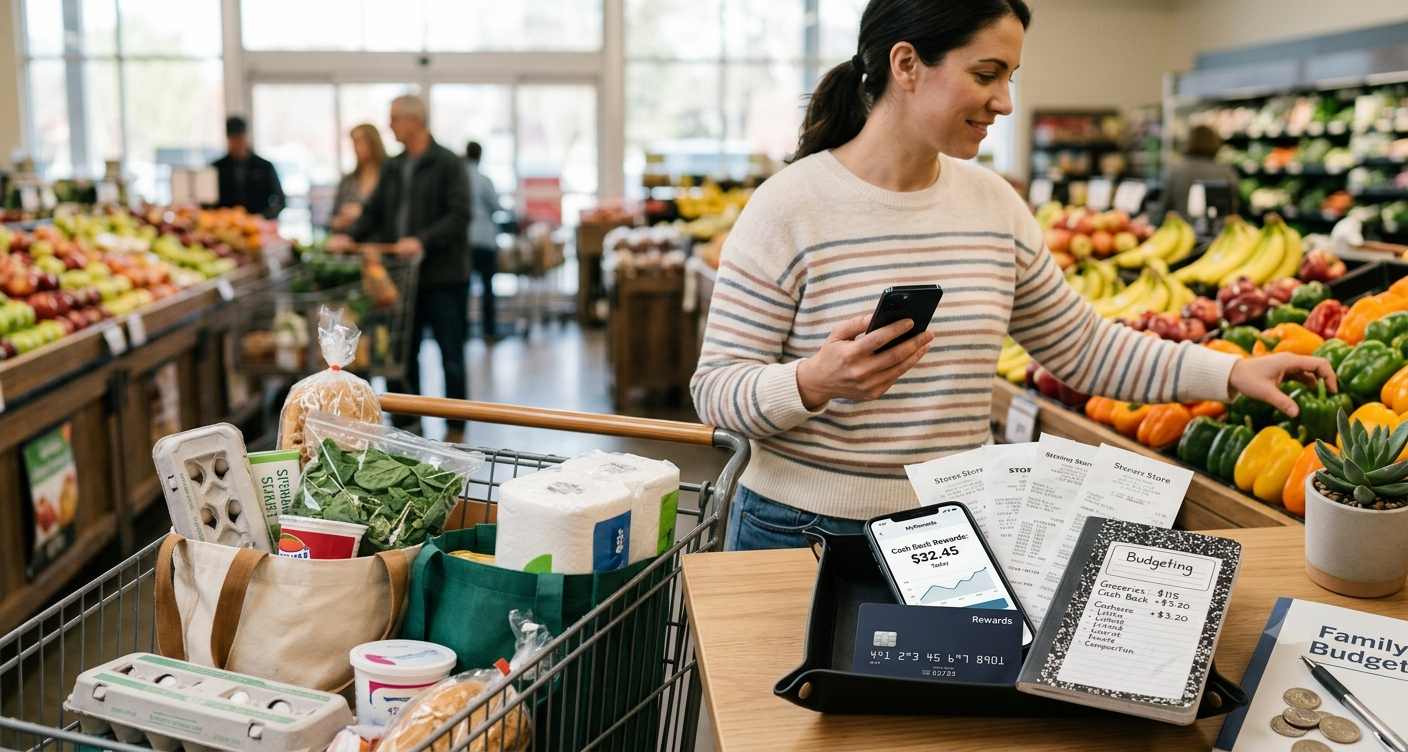
The people who usually get the most value already have a grocery budget. Their card simply makes those planned purchases a little more rewarding.
This catches people off guard.
A supermarket usually qualifies as a grocery purchase, but warehouse clubs, discount retailers, convenience stores, wholesale clubs, and delivery platforms may be categorized differently depending on the card issuer and payment network.
Even stores that sell groceries may not always process transactions under a grocery merchant category.
Checking the transaction category after your first purchase is an easy habit that can prevent disappointment later.
Many people only compare percentages.
There are other features worth noticing.
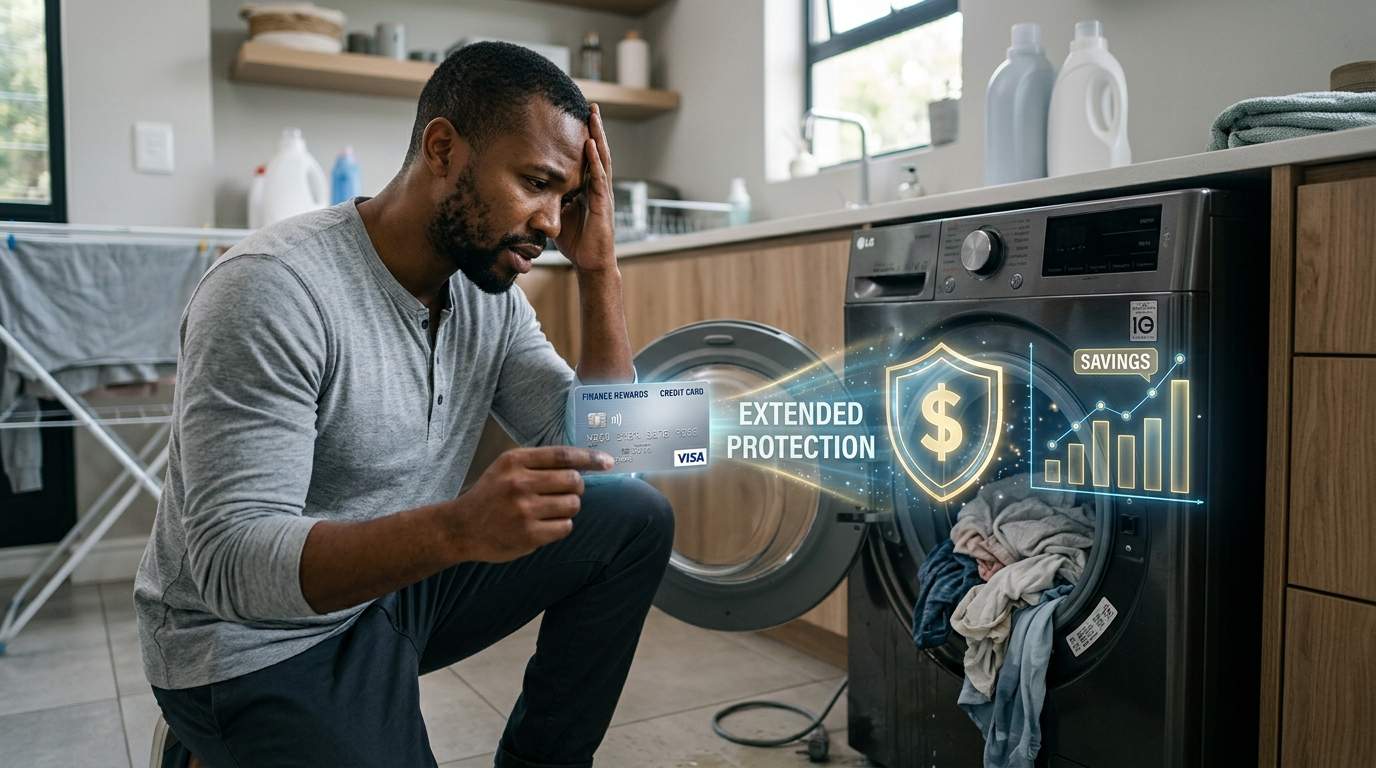
Some cards include purchase protection, extended warranty benefits, or digital wallet compatibility. Others provide flexible redemption options, allowing rewards to be redeemed as statement credits, deposits into eligible accounts, or travel through the issuer's rewards platform.
These benefits may not affect every shopper, but together they can make one everyday card noticeably more useful than another.
One habit that changed my perspective was assigning a specific card to a specific spending category.
One card for groceries.
Another for gas.
Another for travel.
That removes guesswork at the checkout counter and makes rewards easier to understand.
It also reduces the temptation to constantly switch cards because of online hype.
Consistency usually beats complexity.
These cards tend to fit people who regularly buy groceries for themselves or their families.
Apartment renters, young professionals, parents, retirees, and students can all benefit if they already have predictable grocery expenses.
Someone who rarely cooks or mainly eats at restaurants may find a dining rewards card more valuable instead.
The best credit card is often the one that naturally matches your existing lifestyle instead of encouraging new spending.
One grocery trip rarely feels exciting.
Fifty grocery trips tell a different story.
Because groceries are recurring expenses, even modest rewards can accumulate steadily over months and years without requiring special effort.
That's probably the most overlooked part.
Consumers often chase spectacular one-time offers while overlooking the quiet value created by everyday purchases they were going to make anyway.
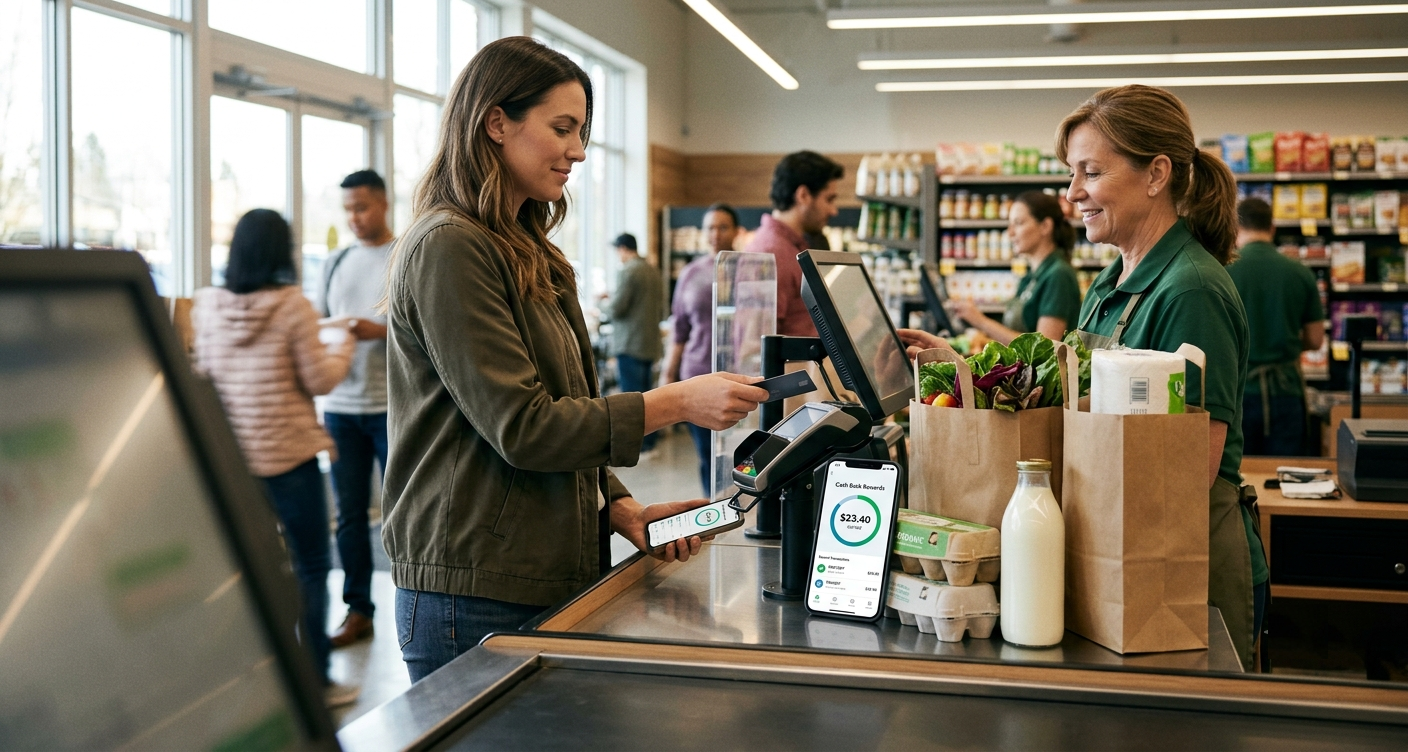
The next time you unload groceries onto the checkout belt, it might be worth asking one simple question.
Is your grocery bill rewarding you as much as it could?