The Secret Grocery Cash Back Perk Hidden Inside Blue Cash Preferred
- Quick Tags: Credit Card Rewards, Grocery Cash Back, Blue Cash Preferred, Credit Card Benefits
- Editor: Editorial Team
- Updated: Aug,03,2026
- Views: 311.2k








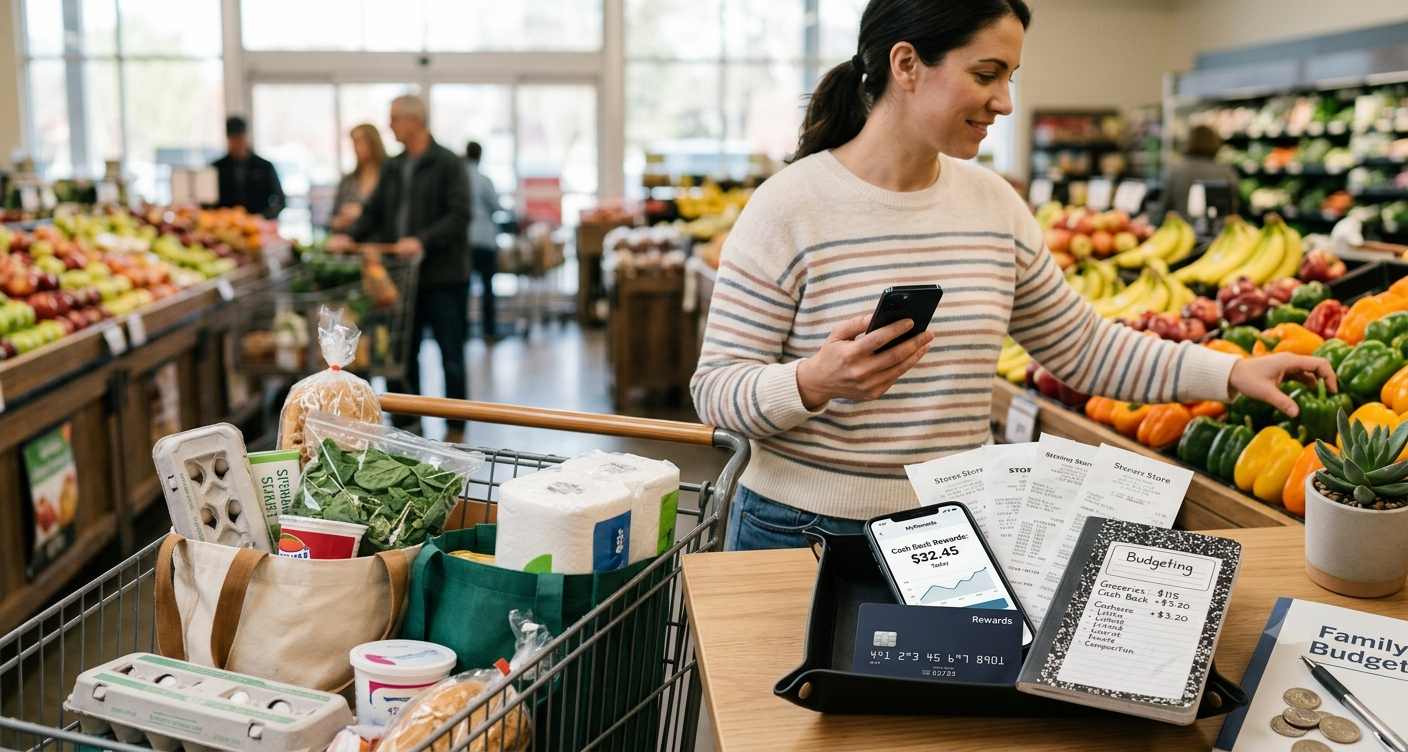
American Express Blue Cash Preferred has long been famous among home cooks and families, but many cardholders miss the subtle ways this card turns everyday grocery runs into serious savings. Most people know it offers a high reward rate on supermarket purchases, yet few take full advantage of how those savings accumulate across an entire year of routine shopping.
E.g. :My Credit Card's Extended Warranty Saved Hundreds On A Broken TV
If you spend money on groceries every week, you are likely leaving cash on the table by using a standard flat-rate card. Understanding how supermarket categories are defined, how the annual spending limits work, and where the real net value lies can completely change how you view your weekly register total.
The standout feature of this card is its 6% cash back on U.S. supermarket purchases up to $6,000 per calendar year. After reaching that cap, the rate drops to 1%, but hitting that threshold yields $360 in cash back purely from buying food and household essentials you would purchase anyway.
The key detail many shoppers miss is what counts as a U.S. supermarket. Traditional grocery chains like Kroger, Publix, Whole Foods, and ALDI qualify, while superstores like Walmart and Target generally do not. Matching your primary shopping destination to the right merchant category is the difference between earning maximum rewards and earning base rates.

A common hesitation for consumers is the annual fee associated with premium cash back cards. American Express waives the fee for the first year, after which it becomes $95 annually. When you break down the math, spending just $31 a week at qualifying supermarkets covers the annual fee entirely through cash back earnings.
Anything you spend above that minimum threshold represents pure profit back in your wallet. For a household that maxes out the $6,000 annual grocery limit, the net earnings total $265 per year after accounting for the ongoing fee, making it one of the highest-yielding cash back structures in the consumer finance market.
While groceries steal the spotlight, this card packs additional quiet perks that boost its overall annual value. It offers 6% cash back on select U.S. streaming subscriptions, covering popular services like Netflix, Hulu, Disney+, and Apple Music. Over twelve months, streaming rewards add a steady layer of passive savings.
Transit expenses also receive a generous 3% cash back rate. This includes gas stations, rideshares, parking, tolls, and public transit passes. Combining high-tier grocery rewards with daily commute savings creates a balanced setup that targets two of the largest recurring expenses in a typical household budget.
To maximize your returns, you need to navigate merchant classification codes carefully. Convenience stores, specialty meat markets, and wholesale clubs like Costco or Sam's Club often do not code as U.S. supermarkets under card issuer rules.
Checking how your local specialty shops register on your credit card statement helps prevent unexpected drops in reward output. If you frequently buy non-grocery items at big-box retailers, shifting those purchases to standard regional grocery chains ensures every dollar counts toward your higher cash back tier.
If your monthly household grocery bill naturally hovers around $300 to $500, leveraging a dedicated supermarket card delivers tangible financial returns. The rewards arrive as Reward Dollars that can be easily redeemed for statement credits, directly offsetting your ongoing credit card balance.
For shoppers who prefer buying everything in bulk at superstores or wholesale clubs, a flat-rate card or a store-specific card might fit better. However, for traditional grocery shoppers, few options match the sheer earning velocity of this focused cash back model.
Before you make your next trip down the cereal aisle, take a quick look at your monthly bank statements to calculate your actual supermarket spending. Are you currently using a card that pays you back meaningfully for the food on your dinner table?