Your Credit Card Might Be Secretly Protecting Your Smartphone
- Quick Tags: Cell Phone Protection, Credit Card Benefits, Hidden Perks, Phone Insurance
- Editor: Editorial Team
- Updated: Jul,27,2026
- Views: 246.9k




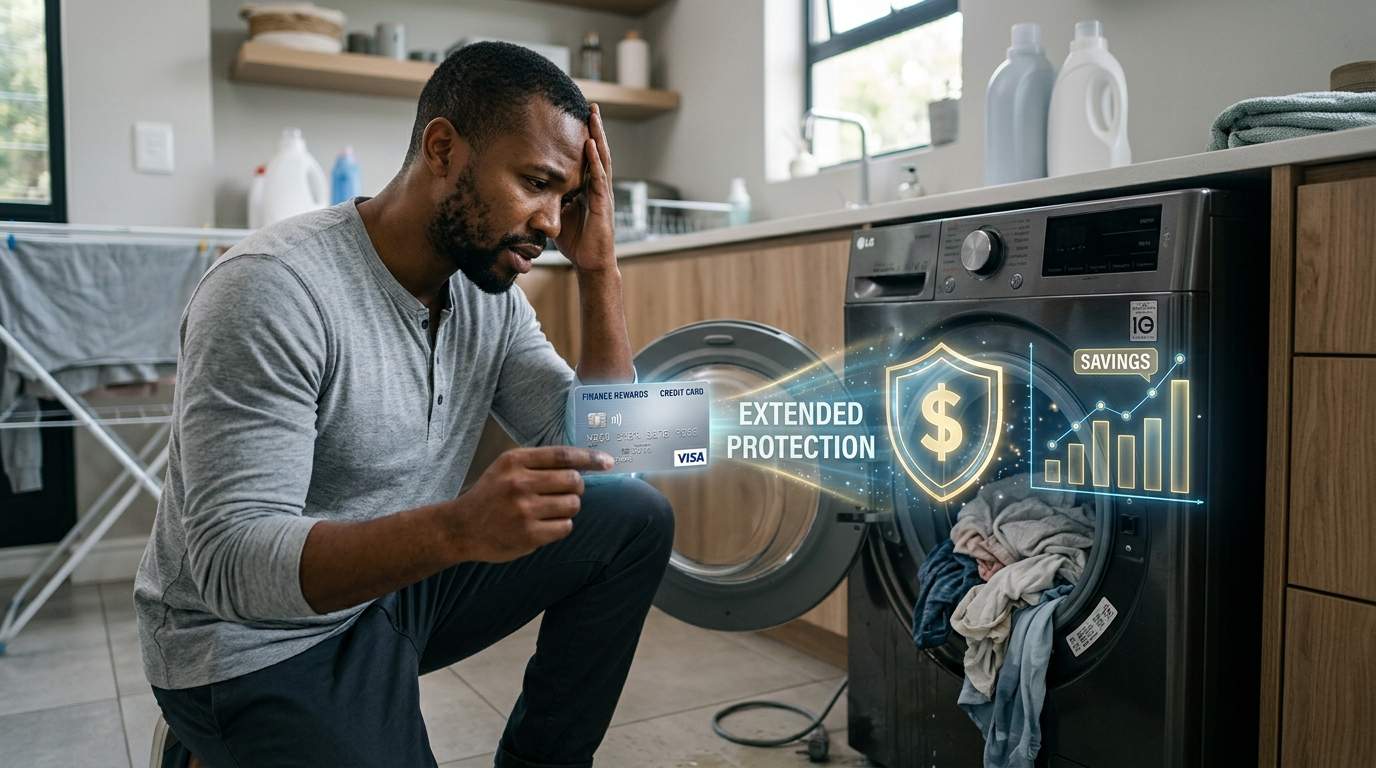




Are you one of the millions paying a monthly premium for cell phone insurance? Or maybe you're just crossing your fingers every time your phone slips from your hand? What if I told you your credit card might already be covering your phone, and you don't even know it? This isn't a marketing gimmick; it's a genuine, often-overlooked benefit hiding in plain sight on many cards.
E.g. :Why Savvy Travelers Skip Rental Car Counter Insurance With This Sapphire Perk
Many premium credit cards, particularly certain Visa Signature, World Elite Mastercard, and even some Amex cards in the US, Canada, UK, and Australia, include complimentary cell phone protection. This isn't something you opt into or pay extra for each month. It’s typically activated simply by doing one thing: paying your monthly cell phone bill with that specific credit card.
Think about that for a second. If you're already using an eligible card to pay your bill, you might be getting free insurance without realizing it.
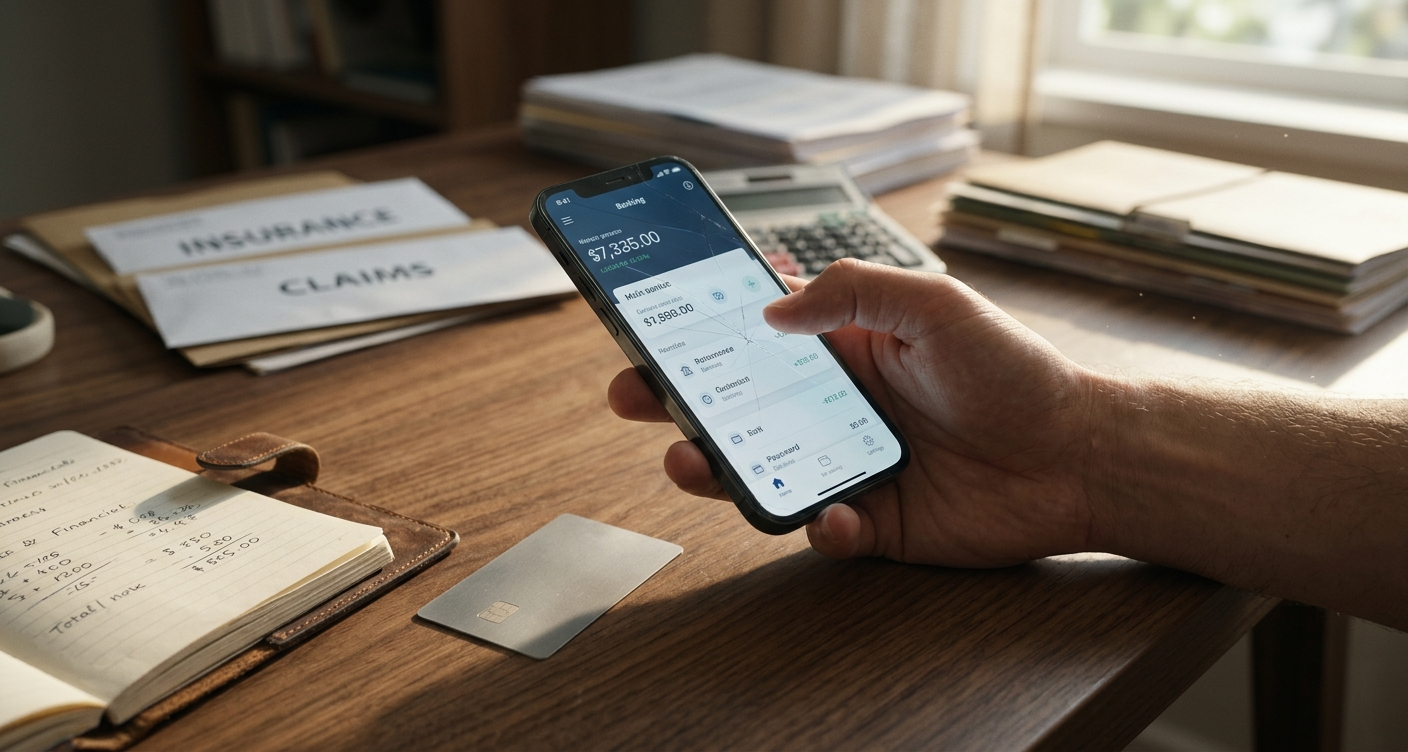
This benefit generally kicks in when you use your eligible credit card to pay the entire monthly wireless bill for your phone. If that phone is then accidentally damaged or stolen, you can file a claim through your credit card issuer.
Here's the critical fine print most people miss:
Payment Method is Key: You MUST pay your monthly phone bill with the eligible card. If you pay with another method, the coverage won't apply.
What's Covered: Typically accidental damage (cracked screens, liquid damage) and theft.
What's NOT Covered: This is important. Usually, lost phones are NOT covered. Cosmetic damage, normal wear and tear, or phones damaged before the coverage began are also excluded. Accessories are rarely covered.
Deductibles: Most policies come with a deductible, which is the amount you pay out-of-pocket before the coverage kicks in. This is usually around $25 or $50, significantly lower than many traditional insurance deductibles.
Claim Limits: There's usually a maximum amount per claim (e.g., $600 or $800) and an annual limit on claims (e.g., two claims per 12-month period).
Eligible Devices: This typically covers your primary line and often other lines on the same bill, as long as the entire bill is paid with the card.
It’s not a free-for-all, but for common mishaps, it’s a powerful safety net.
For many consumers, yes, it can be. The primary advantage is cost. You’re not paying a monthly premium of $10-$20 that can add up to hundreds of dollars a year. With credit card protection, you only pay the deductible if you actually need to file a claim.
While dedicated phone insurance might offer lower deductibles or cover lost phones, the cost savings from credit card protection can often outweigh these differences, especially for less frequent incidents. It’s a classic case of getting more value from something you're already doing.
Check Your Card's Guide to Benefits: Don't guess! Find your card's "Guide to Benefits" (often available online from your issuer) and look specifically for "Cell Phone Protection" or "Wireless Protection." Read the terms carefully.
Use the Right Card: Make sure the card you use to pay your phone bill is actually the one offering this perk. You might have multiple cards, but only one might have this hidden gem.
Keep Records: If you ever need to file a claim, you'll need proof of payment (your credit card statement showing the phone bill charge) and often a copy of your wireless bill. Keep these accessible.
Act Quickly: Most policies require you to report a claim within a certain timeframe, often 60 or 90 days after the incident. Don't delay.
This isn't about ditching all phone insurance, but about being an informed consumer. If your current credit card offers this, you might be able to redirect those monthly insurance premiums into savings or other financial goals.
What's the one thing you should do after reading this? Go check your credit card's benefits guide. You might be surprised by what you find.