My Credit Card Silently Extended My Expensive Purchase Warranty
- Quick Tags: Extended Warranty, Credit Card Benefits, Purchase Protection, Consumer Savings
- Editor: Editorial Team
- Updated: Jul,30,2026
- Views: 304.8k




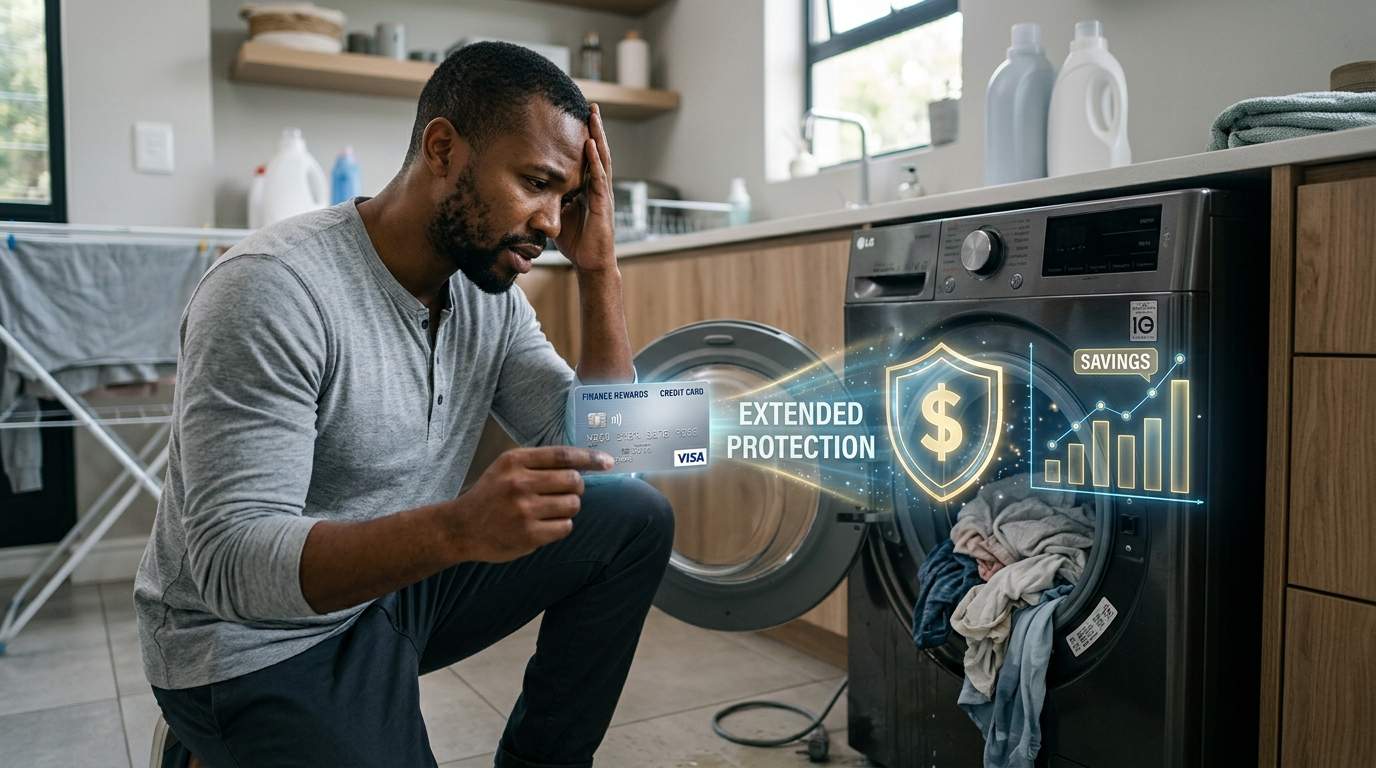




Have you ever had a new gadget break down just a few weeks after the manufacturer's warranty expired? That stomach-dropping feeling, realizing a costly repair is looming, is something many of us have experienced. What if I told you that a card already in your wallet might have saved you from that headache, completely free of charge? It’s a quiet perk that most credit card holders completely overlook.
Many premium credit cards, often those carrying a Visa Signature or Mastercard World Elite designation, come with a built-in extended warranty benefit. This isn’t some hidden feature you have to activate; for eligible purchases, it often automatically extends the original manufacturer’s warranty by an additional period, usually up to one or two years. Think about that for a moment: free, added protection on your expensive electronics, appliances, and even some tools. It's a fundamental consumer right that can drastically reduce unexpected repair costs.
This benefit is specifically designed to kick in once the manufacturer's original warranty period ends. For example, if your new television comes with a one-year manufacturer warranty, your credit card might extend that protection for another year, giving you two full years of coverage instead of just one. This quiet addition to your purchase protection can be a real game-changer when something goes wrong just outside the initial coverage window. It’s a clear example of how understanding your credit card benefits can translate into real-life savings.
Imagine a scenario: You buy a new high-end laptop, excited about its speed and features. Twelve months and three days later, the hard drive decides to call it quits. Panic sets in. The manufacturer’s warranty just ended, and a new hard drive or a replacement laptop could easily cost hundreds, if not thousands, of dollars. But then you remember: you used a credit card with an extended warranty benefit for that purchase.

After a quick check of your card’s benefits guide and a call to the benefits administrator, you discover your laptop is covered. The card company steps in, reimburses you for the repair, or even replaces the item, because their extended warranty added an extra year to the original coverage. This isn't a hypothetical fantasy; it's a common, understated benefit that saves consumers significant money every day. It transforms a potential financial setback into a minor inconvenience, simply by making a smart choice about which payment method to use.
While this benefit is incredibly valuable, it’s essential to understand its specific credit card warranty terms. Each card issuer will have slightly different rules, but common limitations include the length of the extension (often one additional year), a maximum claim amount per item or per year, and exclusions for certain types of products or damages. For instance, most extended warranty benefits cover manufacturing defects but typically won't cover accidental damage, loss, or theft.
To make a claim, you'll generally need to keep a few key documents: your original sales receipt, a copy of the manufacturer's warranty, and the credit card statement showing the purchase. These documents are crucial for proving eligibility and the purchase date. It’s also wise to read your specific card’s Guide to Benefits, usually available online or through your card issuer's customer service, to understand the full scope of your eligible purchases and the claim process. Knowing these details upfront can prevent frustration later on and ensure you can fully utilize this valuable protection.
One of the most immediate financial implications of knowing about your credit card's extended warranty is the ability to confidently decline those often high-pressure and expensive extended service plans offered by retailers at the point of sale. Many consumers purchase these store-offered warranties, sometimes paying 10-20% of the item's cost, without realizing their credit card already provides similar, if not better, protection for free.
While some store warranties might cover accidental damage – a distinct advantage over most credit card benefits – for typical mechanical failures, the credit card’s free extended warranty often provides sufficient coverage. Before you fork over extra cash for a store warranty, take a moment to check your existing credit card perks. You might find that your smart spending tips start with simply saying "no" to an unnecessary extra cost and relying on a benefit you already pay for (indirectly, through your card’s annual fee or interchange fees).
Making the most of your credit card’s extended warranty is straightforward. First, identify which of your credit cards offer this benefit. If you have multiple cards, designate one with robust purchase protection for significant purchases like electronics, major appliances, or expensive tools. Second, always keep digital or physical copies of your purchase receipts and the manufacturer’s warranty information. A quick scan and upload to a cloud service can save you a frantic search later on.
This simple habit can transform how you view your major purchases. It’s not just about earning points or cash back; it's about the invisible layer of protection that often comes with using the right plastic. By integrating this financial planning insight into your purchasing habits, you're not just buying a product; you're also securing peace of mind and significantly reducing potential future out-of-pocket expenses.
Are you inadvertently leaving free extended warranty protection on the table with every big purchase you make?