This Hidden Credit Card Perk Saves Hundreds: Ditch Costly Store Warranties
- Quick Tags: Credit Card Benefits, Extended Warranty, Purchase Protection, Money Saving Tips
- Editor: Editorial Team
- Updated: Jul,31,2026
- Views: 320.1k




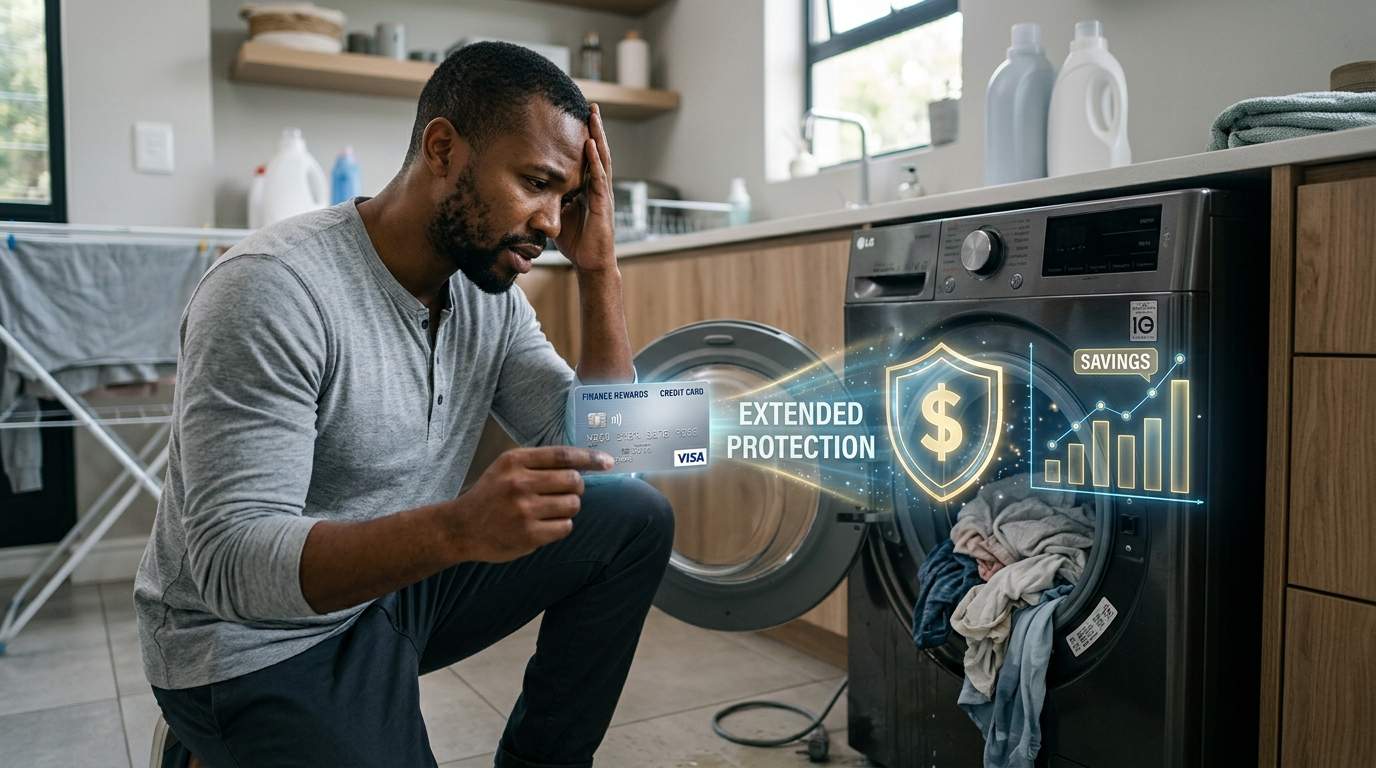




Ever stood at the checkout, ready to swipe your card for a new gadget, only to be hit with that familiar sales pitch for an extended warranty? It often feels like a non-negotiable add-on, a "peace of mind" purchase that secretly drains your wallet. But here's a little secret many consumers overlook: the credit card in your hand might already be offering you similar, if not better, protection, absolutely free.
E.g. :The Hidden Credit Card Perk That Extends Your Product Warranties
An extended warranty, in simple terms, lengthens the period your new purchase is protected against defects after the manufacturer's warranty expires. Retailers love selling these because they're high-profit items. But for consumers, buying an extra warranty can quickly add up, especially if you rarely use them. The key is knowing if you're already covered before you fork over extra cash.
Many premium credit cards – think Visa Signature, World or World Elite Mastercard, and certain American Express cards – come equipped with an automatic extended warranty benefit. This isn't a special opt-in feature; it's often built right into your card's benefits guide. When you use an eligible card to pay for a purchase, it typically extends the original manufacturer's warranty by an additional year.
Imagine buying a new laptop with a one-year manufacturer warranty. If your credit card offers an extended warranty benefit, that laptop could actually be covered for two full years. All without you spending an extra dime at the checkout.

To tap into this often-overlooked perk, a few things are usually required:
Eligible Purchase: The item must be purchased entirely with the eligible credit card.
Manufacturer's Warranty: The item usually needs a valid manufacturer's warranty of a certain length (e.g., 3-5 years) for the card's benefit to kick in.
Keep Your Records: You’ll need the original purchase receipt and a copy of the manufacturer's warranty. Some card issuers might also ask for the credit card statement showing the purchase.
When something goes wrong after the manufacturer's warranty ends but while your credit card's extended coverage is active, you simply file a claim with your credit card company or its benefits administrator. They’ll guide you through the process, which might involve sending the item for repair or receiving a reimbursement.
While incredibly useful, credit card extended warranties aren't a blanket solution for everything. Here are common pitfalls and limitations:
Not All Cards Qualify: Basic credit cards often lack this benefit. You'll need to check your specific card's "Guide to Benefits" document.
Specific Exclusions: Items like vehicles, boats, real estate, software, perishable goods, or items without an original manufacturer's warranty are typically excluded.
Claim Limits: There's usually a maximum claim amount per item and an annual maximum limit for all claims.
Activation: Some benefits might require a one-time registration, though most are automatic. Don't assume – always read your guide.
Overlooking these details can lead to disappointment if you ever need to file a claim. A quick read of your card's benefits booklet today could save you future headaches.
The easiest way to discover if your credit card offers an extended warranty is to check your "Guide to Benefits." This document is usually sent with your card, available on your issuer's website, or you can call the customer service number on the back of your card. It will detail what's covered, what's excluded, and how to file a claim.
Make it a habit: before any significant purchase, especially electronics or appliances, quickly verify if the credit card you plan to use offers this valuable, free protection. It's a simple step that embodies smart spending.
Next time you’re at the checkout, smile politely as you decline that costly extended warranty. You’ve likely already got it covered.